




How to Care for Leather Garments
How to Care for Leather Garments: Cleaning, Conditioning & Storage Tips
Leather is one of the most durable and timeless materials in fashion. With proper care, a well made leather garment can maintain its appearance, softness, and strength for many years.
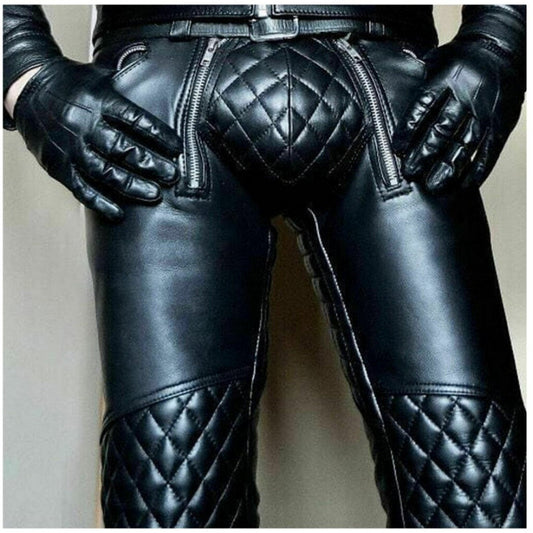
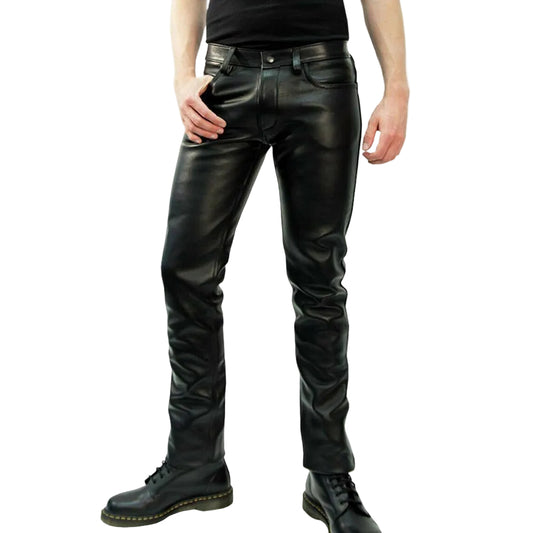
Whether you own a leather jacket, corset, breeches, trousers, harness, or other leather garment, the basic care routine is similar: clean gently, condition regularly, dry naturally, and store correctly.
Cleaning Your Leather
Regular cleaning helps remove dust, sweat, body oils, and surface dirt before they can affect the leather.
For light surface dirt, use a soft, dry, lint free cloth. If necessary, you can use a barely damp cloth, but avoid soaking the leather.
For deeper cleaning, use a dedicated leather cleaner suitable for your type of leather. Apply a small amount with a soft cloth and gently work it over the surface using light circular motions. Then wipe away any remaining cleaner with a clean cloth.
Avoid using household detergents, alcohol wipes, or baby wipes directly on leather. These products can remove the leather's natural oils and may contribute to dryness, discoloration, or cracking over time.
For garments that come into direct contact with the skin such as leather corsets, harnesses, and breeches gently wipe the surface after wearing to remove sweat and body oils.
Tip: Always test any leather cleaning or conditioning product on a small, hidden area first.
Conditioning Leather
Leather can gradually lose moisture and flexibility through regular use and exposure to dry environments. Conditioning helps keep the material supple and reduces the risk of excessive dryness.
As a general guideline, apply a quality leather conditioner every 3 to 6 months. Garments used frequently or kept in particularly dry conditions may require conditioning more often.
Apply a small amount of conditioner to a soft cloth and work it gently into the leather. Allow it to absorb for approximately 20 to 30 minutes, then buff away any excess with a clean cloth.
Avoid applying excessive amounts of conditioner. Too much product can leave the leather greasy, overly soft, or prone to attracting dust.
Avoid petroleum based products such as Vaseline unless the leather manufacturer specifically recommends them for that particular leather.
How to Dry Wet Leather
If your leather garment becomes wet, don't panic. The most important thing is to let it dry slowly and naturally.
First, gently shake or wipe away excess water. Then hang the garment in a well ventilated area away from direct sunlight and heat.
Never use a hair dryer, radiator, heater, or other direct heat source to speed up the drying process. Rapid heating can cause leather to become stiff, dry, or cracked.
Once the garment has completely dried, consider applying an appropriate leather conditioner to help restore flexibility.
Do not put wet leather into a plastic bag or sealed container, as trapped moisture can encourage mold and unpleasant odors.
Storing Leather Garments
Proper storage is just as important as cleaning and conditioning.
For jackets, coats, shirts, and similar garments, use a wide, sturdy, padded hanger rather than a thin wire hanger. This helps support the shoulders and maintain the garment's original shape.
Keep leather in a breathable garment bag, preferably made from fabric. Avoid storing leather in plastic for long periods because it restricts airflow.
Choose a storage location that is:
-
Cool and dry
-
Away from direct sunlight
-
Well ventilated
-
Away from radiators and other heat sources
-
Free from excessive humidity
For long term storage, lightly stuff jackets, vests, or structured garments with acid free tissue paper to help maintain their shape.
Avoid folding leather garments tightly for extended periods, particularly if they have structured panels, decorative details, or areas that could develop permanent creases.
How Often Should You Care for Leather?
There is no single schedule that works for every leather garment. How often you should clean and condition leather depends on how frequently it is worn, the environment, and the type of leather.
A simple routine is:
After wearing:
Gently wipe away sweat, body oils, and surface dirt.
Every few months:
Inspect the leather and condition it when it begins to feel dry.
After exposure to water:
Allow it to dry naturally and condition it if appropriate.
Before long term storage:
Clean the garment, make sure it is completely dry, and store it somewhere cool, dry, and ventilated.
Give Your Leather the Care It Deserves
Quality leather is designed to be durable, but proper maintenance helps preserve its appearance, flexibility, and longevity. A few minutes of regular care can make a significant difference over the life of your garment.
From everyday leather clothing to distinctive handcrafted pieces, taking care of your leather properly allows you to enjoy it for years to come.
Explore our handcrafted leather collections:
[Men's Clothing] • [Breeches & Trousers] • [Men's Leather Coats] • [Men's Leather Jackets] • [Men's Leather Shirts] • [Men's Leather Corsets] • [Men's Waistcoat Vests] • [Men's Leather Shorts] • [Men's Kilts - LARP] • [Thong & Jockstrap]
[Women's Clothing]• [Women's Coats & Jackets] • [Women's Waistcoat Vests] • [Women's Leather Skirts] • [Women's Leather Corsets] • [Women's Trousers Pants] • [Women's Leather Shorts]
• [Leather Bondage]
• [Swings & Slings]